
What I Learned Curating My First Solo Exhibition
Oct 30, 2026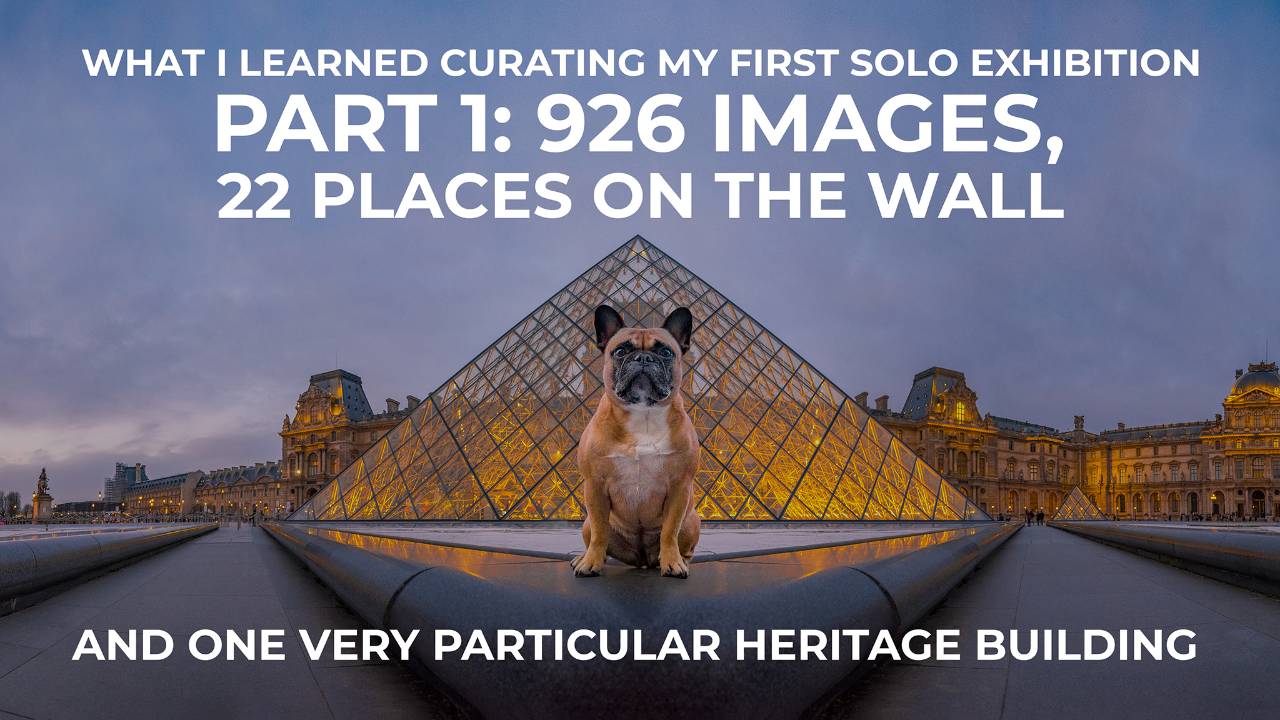
By Craig Turner-Bullock
I recently held my first ever solo exhibition with images from my latest book, Dogs of the World. In this three part blog series I’m going to break down my experience and what I learned in the hope of entertaining you, the reader, and perhaps give you some pointers if you are ever going to exhibit your own work. In Part 1 I’m talking about how I chose the 22 images for the exhibition, what the venue wouldn't let me do, and why my favourites weren't the right selection.
Part 1: 926 images, 22 places on the wall,
and one very particular heritage building
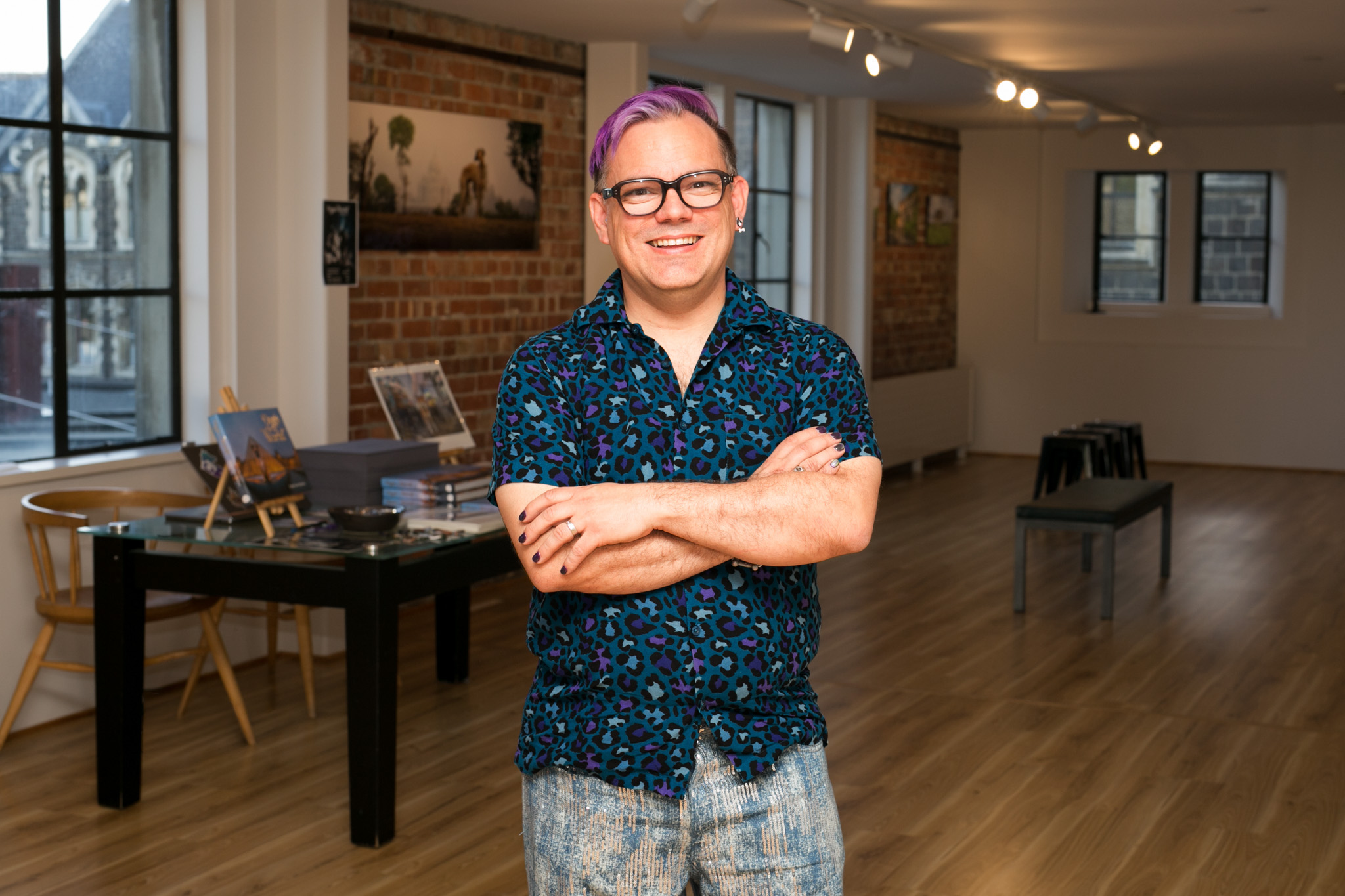
Here I am at my exhibition at Te Matatiki Toi Ora The Arts Centre! (image Shar Devine)
From a pallet pavilion to a heritage gallery
If anyone ever asked me what was left on my photography bucket list, an exhibition would have definitely come up in the answer, it’s been a long held dream to have a solo exhibition of my work. I came close to fulfilling that in 2013 at the launch party for my first book, Quake Dogs. We had a massive party in the Pallet Pavilion, a space created after the earthquakes, made entirely from shipping pallets. We printed several images from the book on canvas and they were available to buy in a silent auction for charity. This event lasted only a couple of hours, so the exhibition itch remained unscratched.
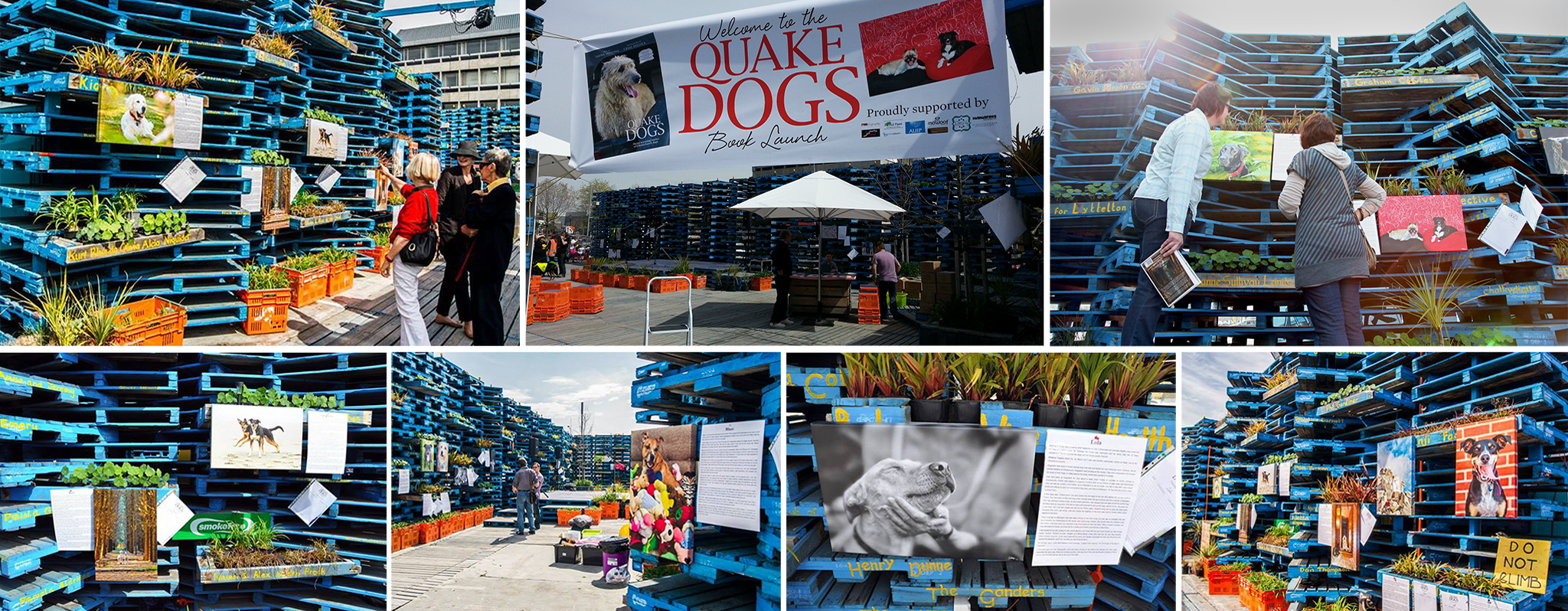
The Quake Dogs launch party in 2013
Fast forward to 2026, my fourth book was released in July and in October, Dogs of the World went from a book and onto the walls. Finally, a solo exhibition and for one week only 22 images hung on the walls of Pūmanawa, the exhibition space at Te Matatiki Toi Ora The Arts Centre in Christchurch, and almost 1,000 people came through the door to see them!
I'd planned to write about the process as it happened, and I started to do that. Then I spent a week in hospital before I flew off to teach the Unleashed Workshops with Charlotte, and the posts didn't happen. So here it is in hindsight, in three parts: the lessons I'd have wanted to know beforehand, plus a few other stories. This first part is about the work I could do from my desk, the planning, the space and the image selection.
Ten years of images, in numbers
First, the numbers, because this project was pretty huge and took ten years to complete.
All in all there were 926 fully edited images over the life of the project, covering 69 breeds, 21 countries and 5 continents. 217 images were shortlisted for the book. 123 ended up in the final book. But there was only space for 22 on the gallery walls.
That last cut, from 123 down to what ended as 22 was an extremely challenging and brutal process!
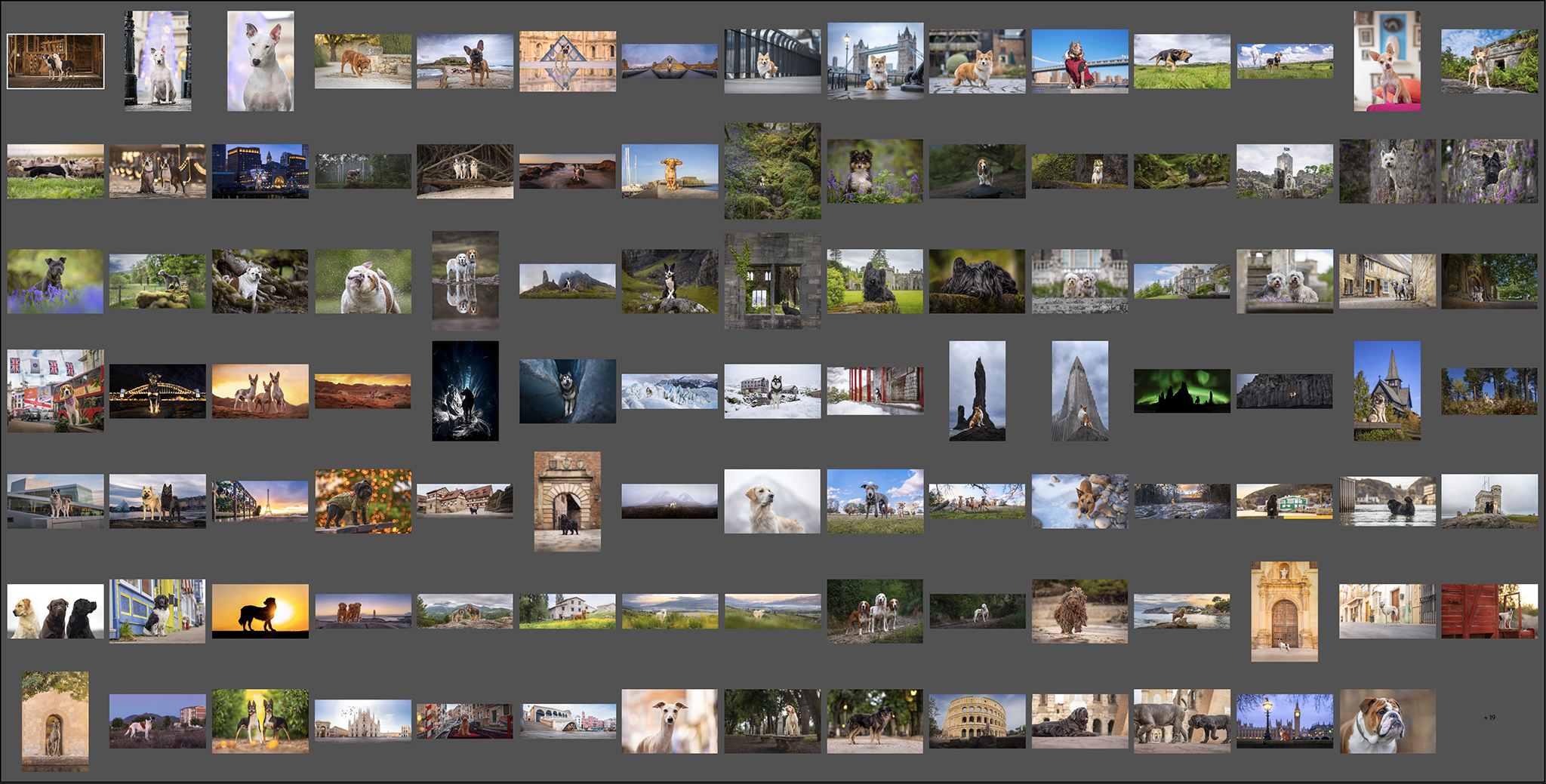
My Lightroom catalogue showing almost all of the images selected for the book
Start with the room, not the images
The Arts Centre sent me photos and dimensions of the gallery, so before I'd settled on the images I made a to-scale plan of where everything could hang. I planned on exhibiting around 20 images and I wanted them to all be a decent size, maybe 80cm (32in) on the long side, with two hero images at 150cm (60in). The room plan quickly started giving me direction. I didn’t have room for 20 images that size (or the budget).
There are limitations to what I could do in the space too, this is a heritage-listed building, so nothing can touch the brick walls: no tape, no tack, no pins. Work hangs from the picture rails, on supplied hooks, with fishing line you bring yourself. The track lighting had fixed positions I wasn't allowed to move, but a staff member from The Arts Centre would come and swivel them into the right spots once I’d hung the images. So instead of asking "which are my best images?”, my first question became "what does this wall actually allow?”
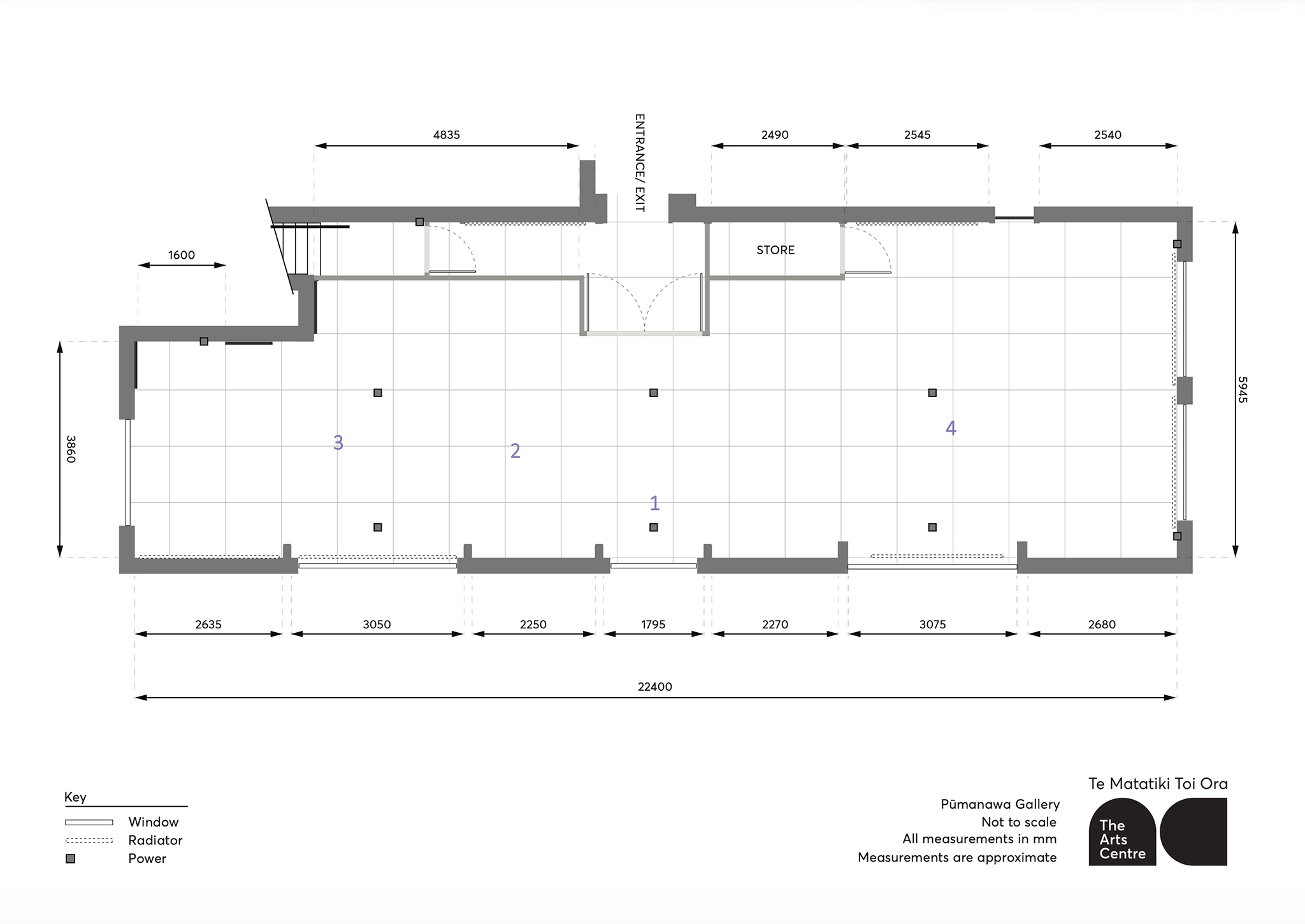
The Pūmanawa floor plan I had to work from
If you ever curate a show, even in a café or a shared space, measure and understand your walls before you fall in love with print sizes. The plan helped me settle sizes before I placed my print order, and I'm glad it did. I’d have had an even more difficult culling decision if I’d got prints that didn’t fit the wall space and some had to stay in a cupboard.
Then I walked into the real room
But I'll be honest: the plan changed the moment I stood in the actual room. In my plan, I was going to have the two large feature images slightly hidden and not the first things you would see. Standing in the space for the first time it was obvious, I had to make the entrance symmetrical, with Tallulah and English on either side of the reception desk. So the two feature pieces frame the way in and they also looked fantastic against the brick wall.
I also swapped a number of the smaller pieces around so they'd hang better together on a single wall, going by colour and composition rather than breed groupings. In other words, the selection was about balance, but the hang was about how the images look side by side. It was all about visual impact, and you can only judge that with the real prints in front of you in the real space. A to-scale plan gets you to the room in pretty good shape, but your creative eye has to finish the job, so leave yourself room to improvise on the day.
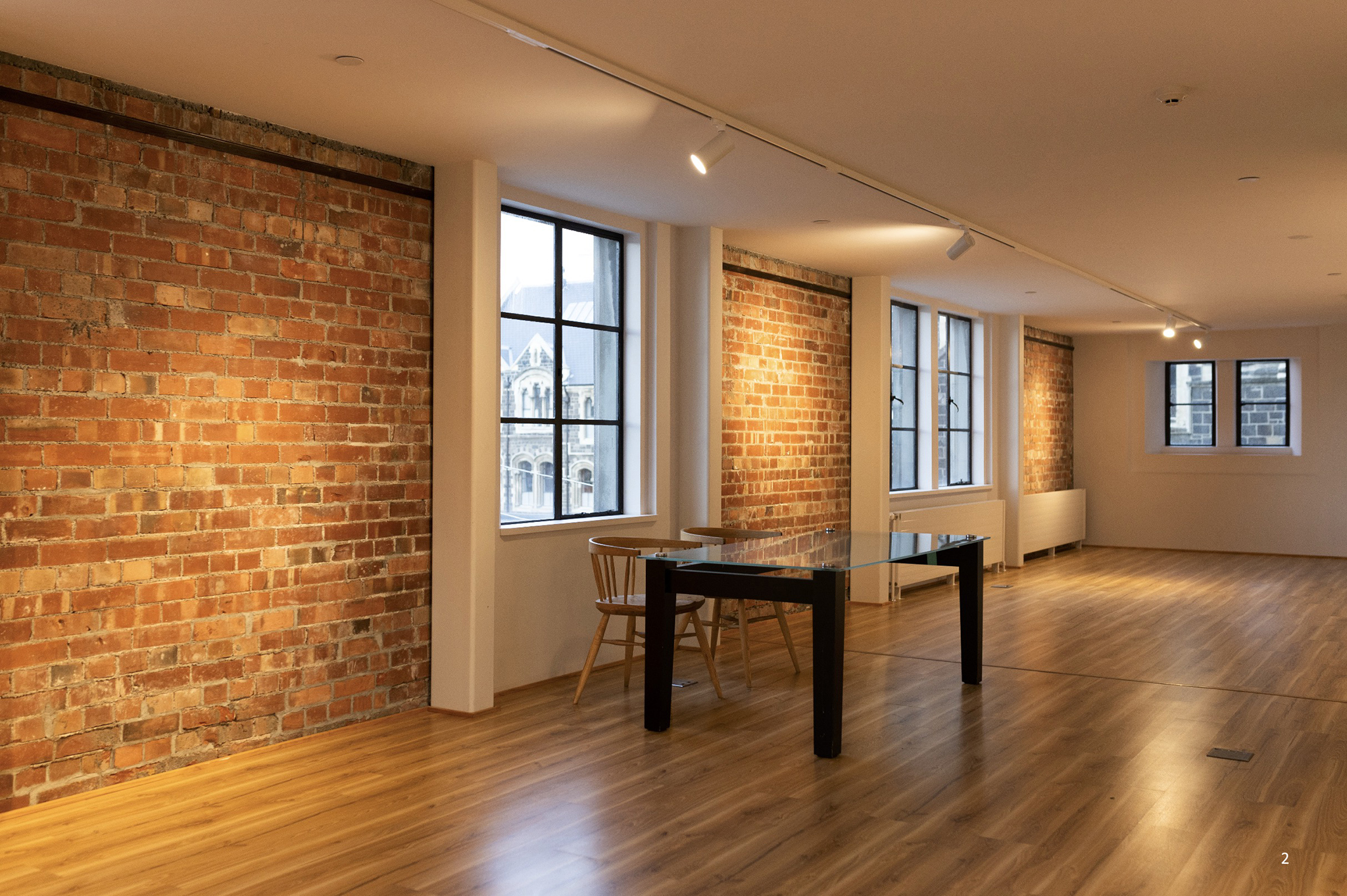
The empty space I was working with
Your favourites aren't automatically the right selection
Now, back to the images themselves. I initially made a short-shortlist of around 42 images I loved: strong compositions, dogs I'd bonded with, locations that still give me goosebumps. My plan was simple. Narrow it to the best 20 and call it done.
Then I laid them out by breed group, using the same categories as the book: herding, gun, terrier, hound, guardian, northern, primitive and landrace, and companion. The picture wasn't pretty. Herding dogs made up nearly a third of my "favourites", while whole groups like terriers and guardians barely had a representative. I hadn't chosen badly as such, but my eye for a strong shot had quietly overridden the diversity the whole project is built on.
Rather than guess what a "balanced" selection should look like, I compared my selection's proportions with the proportions of the full book: roughly 70 breeds across eight groups. That gave me the benchmark instead of a gut feeling to work on. Herding was at about double its natural share. Terriers, hounds and guardians were all well under theirs. Once I could see the gap in numbers, the final selection stopped being quite as agonising.
Two breeds, one frame
Instead of simply adding a terrier, I found an image with two Scottish terrier breeds in one frame: Boris and Dougal, a West Highland white and a Scottish terrier, photographed together in Scotland. Swapping them in gave me an extra breed without spending an extra inch of wall space, which is how 22 images ended up showing 23 breeds. When you're working to a fixed limit, whether that's wall length, page count or budget, go looking for pieces that solve two problems at once.
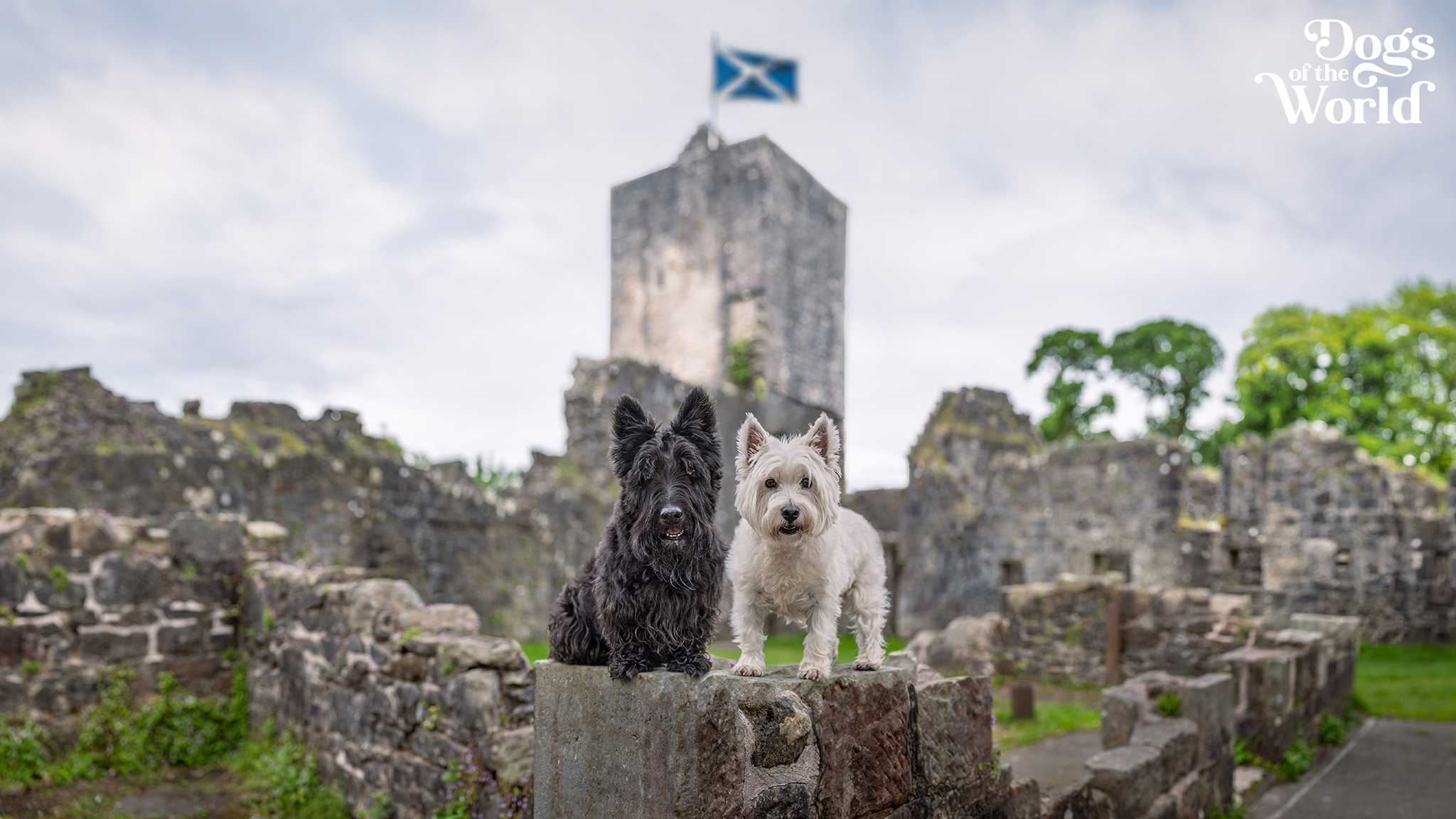
Some imbalances are deliberate
After fixing the group balance, I deliberately left another imbalance in place. The overall project leans heavily towards Europe, but for a Christchurch show I had to include New Zealand and Australian dog breeds, and I boosted them well beyond their natural share. The locals walking through that door would likely care more about seeing their own country and tourists would be interested in those breeds too as they might not know them at all.
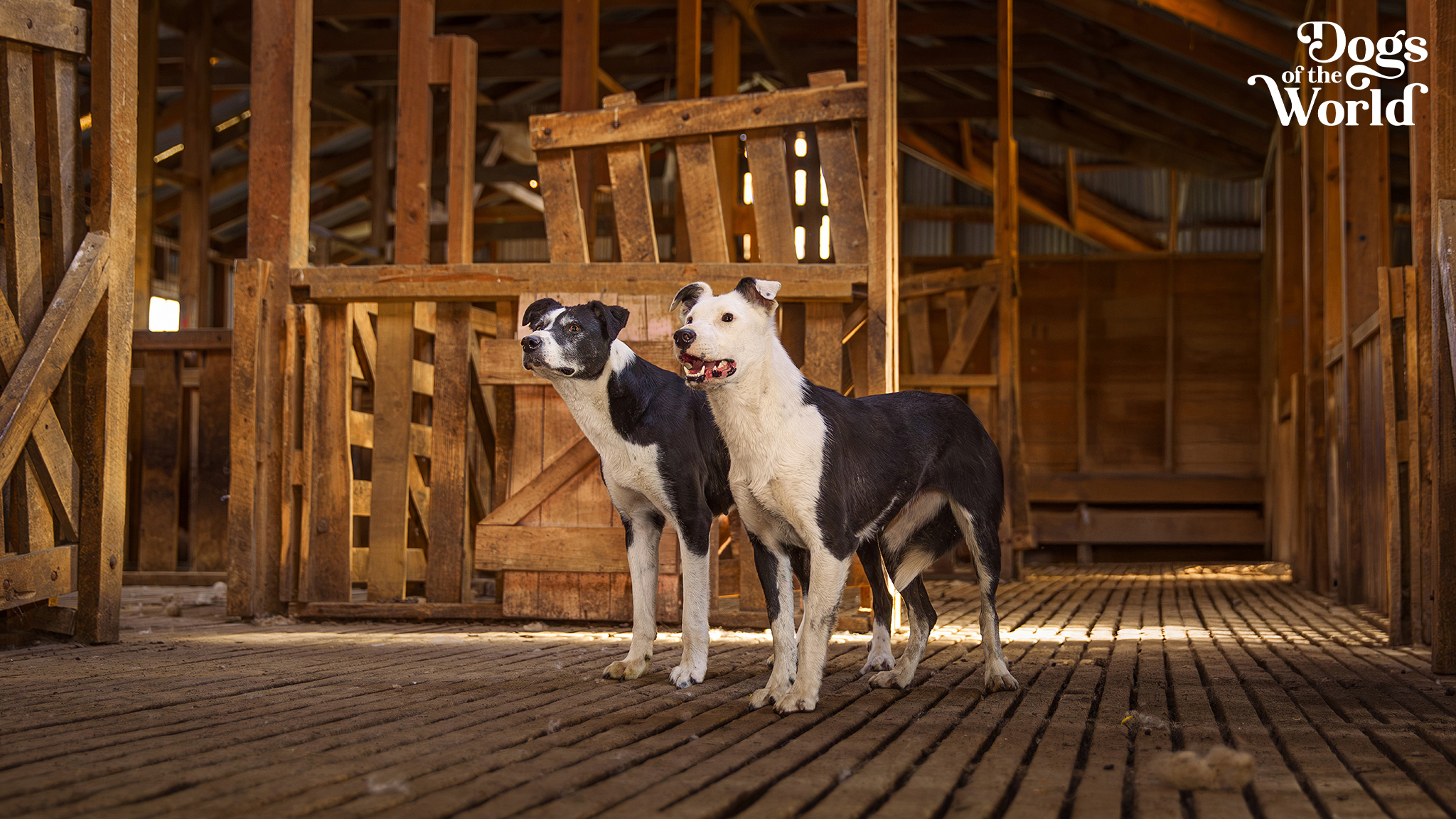
Lady and Pippa, the heading dogs, the oldest image in the book
Two certainties and twenty compromises
Two images never went through any of this. Tallulah, the French bulldog at the Louvre, and English, the caravan hound at the Taj Mahal, were my feature pieces from the start: the two big dogoramas, 150cm wide. The other 20 were a process. I'd hoped for around 20 in total, but I couldn't cut below 22, which meant printing them a little smaller than planned. And I was still changing my mind at the last minute: I swapped my chosen images of Sansa the Icelandic sheepdog and Hatcher the Alaskan malamute for alternative shots of the same dogs, and replaced two other breeds entirely.
The criteria were never ending! By the end I was juggling:
- New Zealand and Australian dogs
- Proportional breed group representation
- As many countries as possible
- My personal favourites
- What the space (and budget) would allow
- A good percentage of dogoramas
Curating the exhibition this way did mean that I had to let go of some personal favourites and include a couple of images I don’t personally rate as my strongest, though overall I don’t think I would change the selection if I had to do it all again.
I got there in the end!
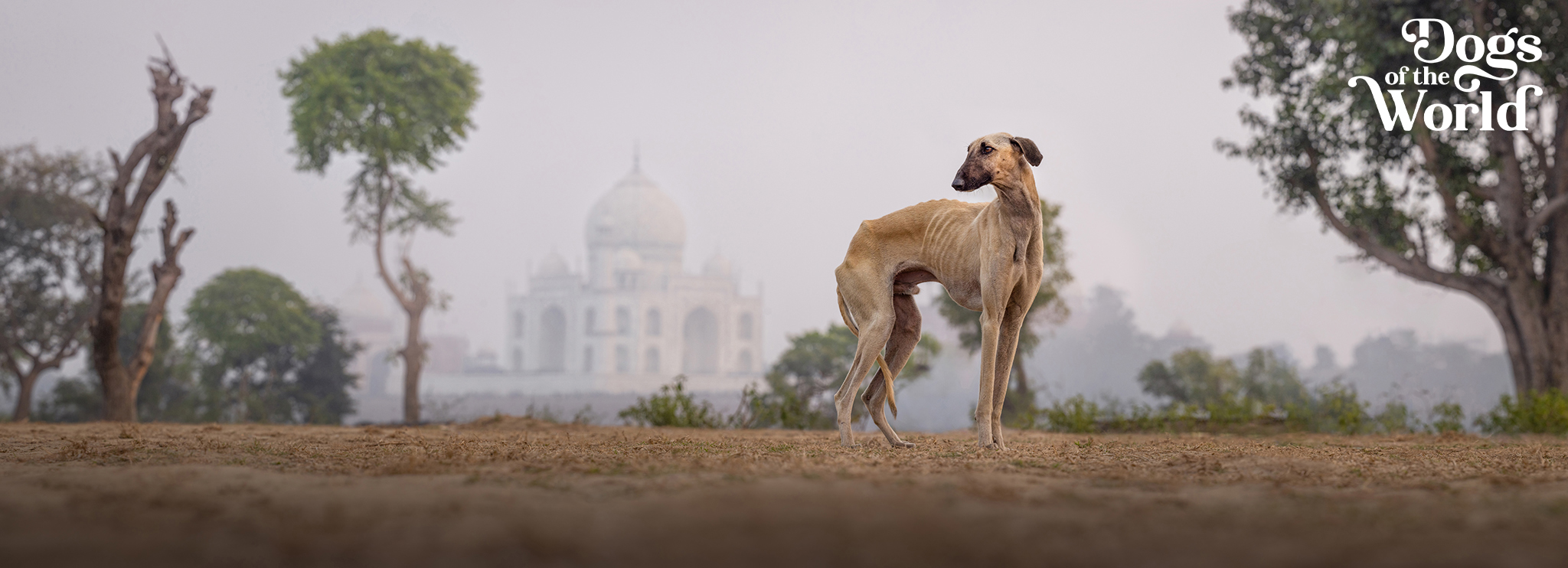
English, the caravan hound with the Taj Mahal in the background, one of my personal favourite images from the book
Printing, and a worry that didn't pan out
All 22 were printed on acrylic, in a black slimline case through Whitewall. It’s what I print my client work on and I knew I wanted to print my exhibition pieces that way too and they look amazing, thanks Whitewall! I'd been worried that glossy acrylic would be too reflective to view properly in a gallery setting. In the end I had so many compliments and questions about the prints themselves that I needn't have worried. I'd still suggest checking the venue's lighting before you choose a glossy surface though.
One more tip for ordering a big run from overseas: ask. After I got my quote I went back to my lab and asked whether they could do better. They came back with a discount and a "Printed by Whitewall" plaque I displayed at the show. The worst they could have said was no.
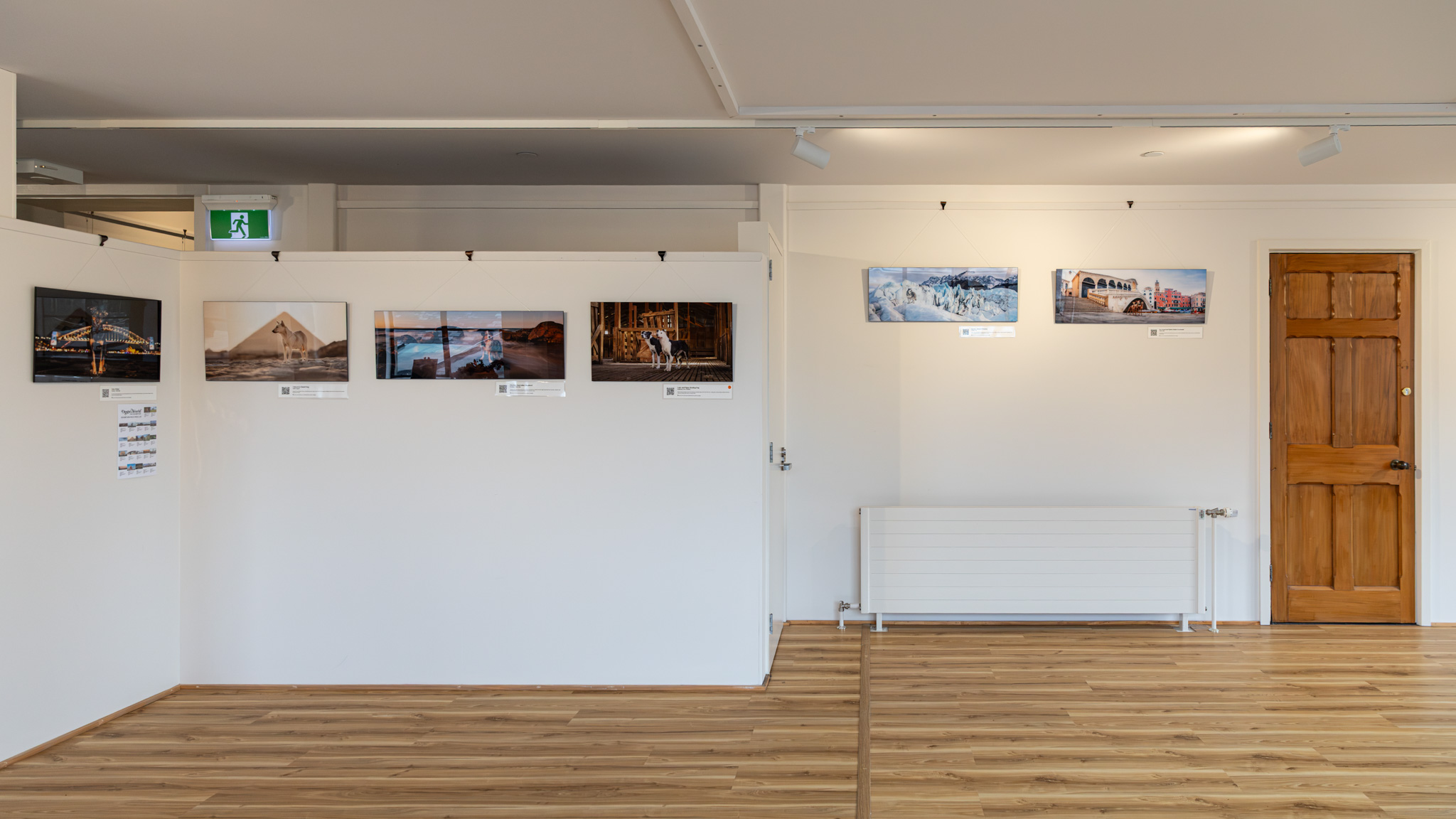
Some of the images hanging in place
Next up, Part 2: a missing shipment, a week in hospital, a build day that started late, and some very dubious hooks.
Dogs of the World is published by Furtography in association with Sherlock and Co and distributed in New Zealand through Bateman Books. For more on the book check out www.dogsoftheworldbook.com.
Join our mailing list!
Want to improve your pet photography with free tips and expert advice?
Join our mailing list and get a guided tour of what we have to offer, along with our weekly newsletter packed with practical pet photography insights.
📩 Sign up now and start learning with us!
We hate SPAM. We will never sell your information, for any reason.